10 Mar 2016, 06:21 am

“Safety and security are priorities for all and we need to ensure tourism is fully integrated into national and international security agendas,” Taleb Rifai, UNWTO Secretary-General, told the opening ceremony of the major tourism trade fair known as ITB Berlin [Internationale Tourismus-Borse Berlin].
In his address on Tuesday, Rifai cautioned that security challenges should not prompt the building of new walls and stressed the need “to cooperate, not isolate.”
“Enhancing security and enabling more seamless travel should always go hand-in-hand,” he noted.
One of the ways to make travel safer and easier is through technology, Rifai said, which is rapidly changing consumers’ behaviour and business models.
He highlighted the need to better understand the impact of technology on the tourism sector, and to maximize new opportunities that improve the competitiveness of destinations and help manage natural resources more effectively.
The tourism industry can embrace sustainability and still reach its economic goals, was another key message for 2016, as the UN agency expects the industry to grow an estimated 4 per cent this year.
Rifai called on industry representatives to adhere to the 2030 Agenda, which contains the Sustainable Development Goals (SDGs) as a “matter of realizing benefits for all.”
The topic will be particularly relevant next year, given that the UN has declared 2017 as the International Year of Sustainable Tourism for Development.
“Climate change mitigation, effective resource management, poverty reduction and inclusive growth need to be at the centre of tourism development,” said Rifai.
Addressing these priorities can only be achieved with tourism established as a national priority with the necessary financial and political support to advance the sector. At the same time, tourism can support the economic, social and environmental foundations of many countries, he noted.
“As we embrace a new sustainable development agenda let us ensure that while we build a more competitive sector we are also contributing to a better world,” Mr. Rifai urged the audience.
Photo: UNWTO
- Amsterdam plans huge tourist tax hike — Visitors could soon pay up to 20 percent
- Germany waives airport Transit Visa requirement for Indian nationals from June 3
- Anand Mahindra amazed by Vande Bharat's journey across Chenab Rail Bridge
- Passengers urged to document luggage amid Canadian airport drug-tag scheme
- South Africa Goes Visa-Free for Indians, But There’s a Catch
- From War Risks to Medical Bills: Why Indian Travellers Need Better Travel Insurance
- Beyond Books – A College Street Heritage Walk to Trace Kolkata’s Literary and Academic Legacy
- Rare Pahari Art from India’s Himalayas Finds a Home at Smithsonian Museum
- Dubai Unveils Its First Fully Private Beach for Women
- Banksy’s Latest Work Pops Up in London, Sparks Midnight Buzz

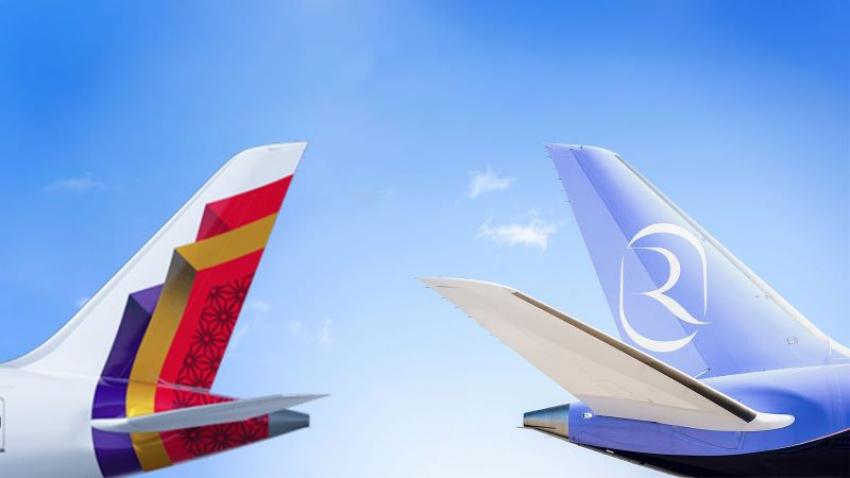
Air India and Riyadh Air have signed a Memorandum of Understanding (MoU) as they look to strengthen links between their networks and offer travellers more convenient connections between India, Saudi Arabia and destinations beyond.
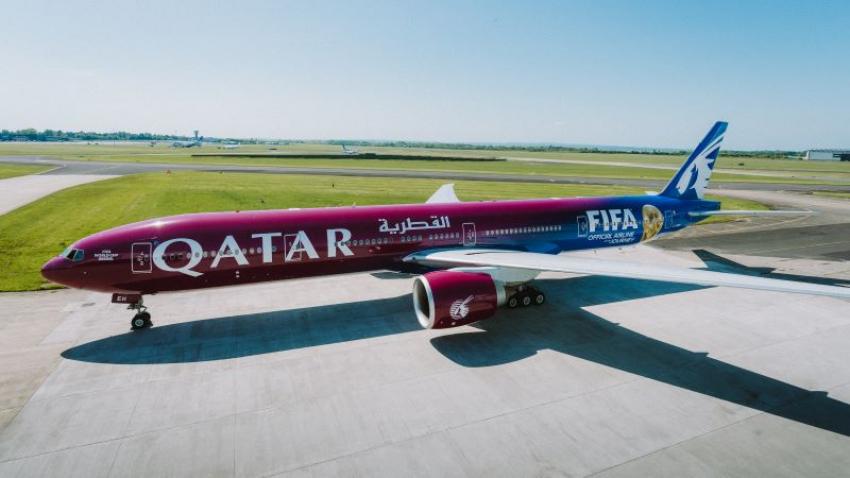
Qatar Airways has launched a Boeing 777 aircraft featuring a special FIFA World Cup 2026 livery, reflecting its ongoing association with FIFA. The aircraft has been unveiled ahead of the tournament and highlights the airline's role in connecting fans, teams, and football communities around the world.
Air India Express announces the launch of its ‘Xpress Sale,’ offering 5 million seats with savings of up to 50% on Lite (Zero Check-in Baggage) and Value fares across its domestic and international network.