
28 Sep 2013, 09:24 am
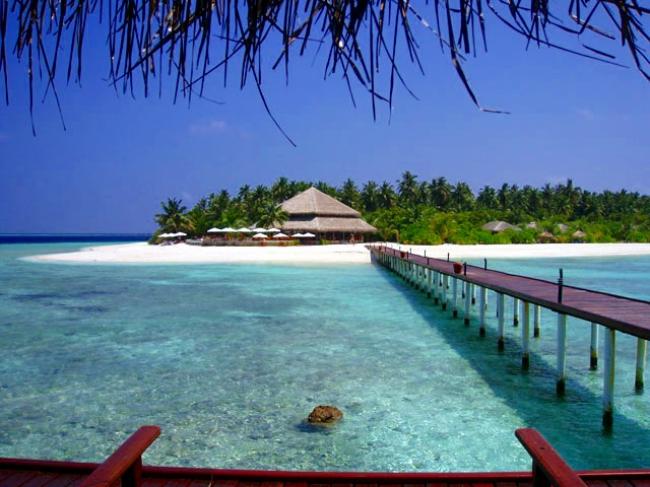
Opening the official celebrations of World Tourism Day (WTD) 2013, hosted this year by the Maldives, President Mohammed Waheed Hassan Manik said “Solutions to the Maldives´ water challenges are in the tourism sector. I hope that the industry will pay attention to the way the Maldives has been addressing the water challenge. The Maldives must become an example of what can be done.”
The call by the United Nations Secretary-General, Ban Ki-moon on the responsibility of the tourism sector to safeguard and intelligently manage water was echoed by UNWTO Secretary-General Taleb Rifai: “As one of the world’s leading socio-economic activities, the tourism sector must take a leadership role and ensure companies and destinations invest in adequate water management throughout the value chain.”
The Minister of Tourism, Arts and Culture of the Maldives, Ahmed Adeeb Abdul Gafoo, stressed how “tourism has become a powerful force for environmental preservation and protection. For our country, the tourism sector constitutes a priority because it is an important asset for the creation of wealth and employment.”
“This is a crucial issue for PATA and its members. The growth of the tourism sector brings inevitable challenges of balancing sustainability. We are delighted to join the celebrations of World Tourism Day and support this important and timely initiative here in the Maldives” said Martin Craigs, CEO of the Pacific Asia Travel Association (PATA).
Tourism to lead in water preservation
As the highlight of WTD 2013, a high-level Think Tank on Tourism and Water gathered leading experts on water preservation, public and private sector tourism stakeholders and media experts to discuss key issues contributing to a more sustainable water future.
The following are the key insights of the Think Tank conclusions:
The Maldives is a paradigm of well-managed and sustainable water use in developing island States, where the availability of fresh water and the level of water consumption for tourism have become a particular concern.
With over one billion people traveling the world every year, the tourism sector can play an educational role as a water-conscious sector.
Though tourism only uses 1% of global water consumption, challenges remain for water use at destinations, since the sector often competes with other sectors for water.
There is significant room for increasing efficiency and reducing cost of water consumption in hotels (water accounts for 10% of utility bills in many hotels, most of which pay for the water they consume twice, first in buying fresh water and by disposing of it as wastewater).
Investing in green technology is economically beneficial, with profits from water sanitation and wastewater treatment having a return on investment (ROI) of one to three years.
Given tourism´s size and reach, the sector is well-positioned to make areal contribution to preserving the world´s precious water resources.
- Machu Picchu mystery: What left 1,400 tourists suddenly stranded in the Andes?
- One Fare stays! Ontario extends popular transit programme till 2027
- West Bengal climbs to No. 2 in India for foreign tourists, overtaking major states
- Air Canada Foundation flies more than 1,000 children to U.S. theme parks
- New Zealand revamps Golden Visa: What the shift means for Digital Nomads
- ‘Paris has Fashion Week – Berlin now has Freedom Week’
- Rising fraud, trafficking, kidnapping cases: Why has Iran suspended visa-free entry for Indian citizens
- IHCL steps into Nagaland with 'Ginger'
- India's North-East goes global: Sikkim to host International Tourism Mart from Nov 13
- Beach, sun… no beer? Thailand introduces strict new drinking hours

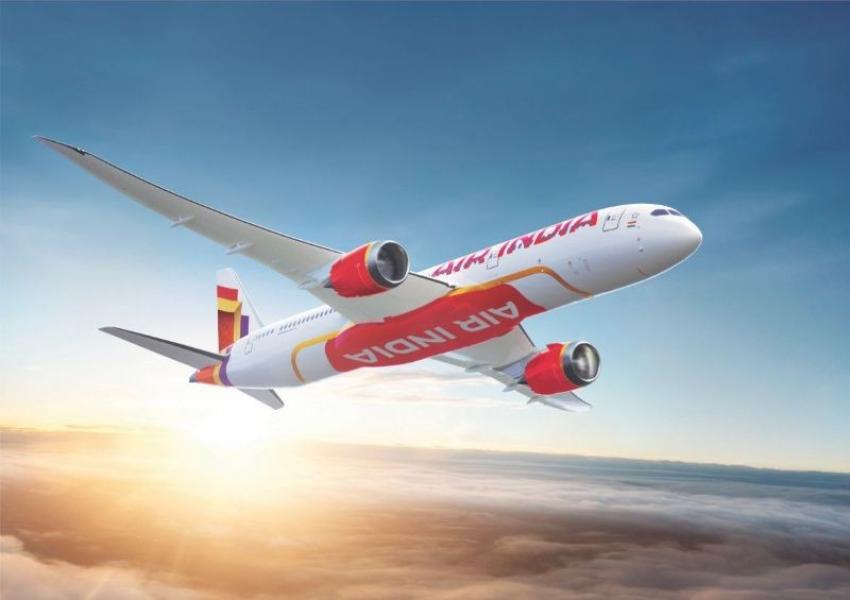
Air India, India’s leading global airline, and Maldivian, the national airline of the Maldives, have entered a bilateral interline partnership aimed at boosting connectivity between the two countries.
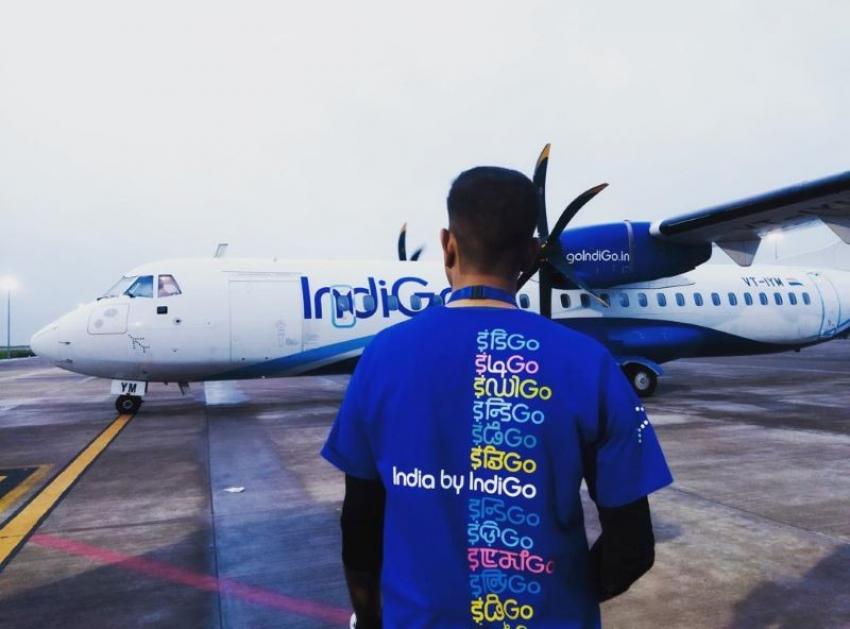
IndiGo, India’s largest airline, is grappling with one of its most severe operational crises in recent years, with widespread flight delays and cancellations disrupting travel across the country for a second consecutive day.
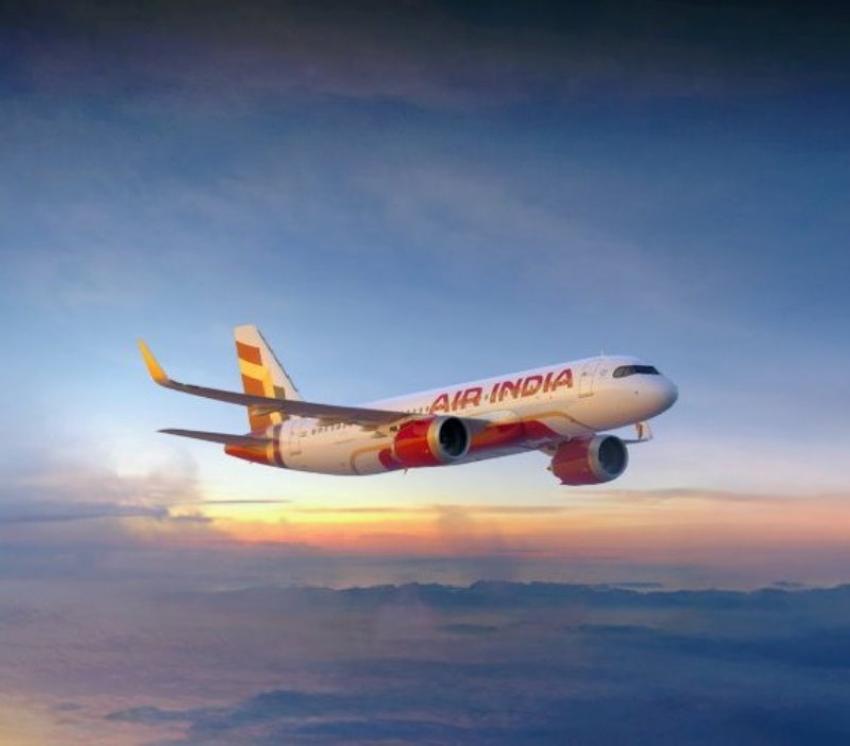
Tata Group-owned Air India on Sunday announced the reinstatement of its codeshare agreement with fellow Star Alliance carrier, Air Canada, to offer more flight options for travellers and boost connectivity between India and Canada.