
India Blooms News Service 29 Jun 2013, 06:09 am

Tourism ministers from the Association of Southeast Asian Nations (ASEAN) say they are committed to implementing tourism standards for the region and a common regional visa to ease travel and boost tourism sector growth by up to 20%.
“We are trying to promote ASEAN as a destination by including two to three stops in one package,” Mari Elka Pangestu, Minister of Tourism and Creative Economy of Indonesia, told World Economic Forum participants in Myanmar today. “We also want to make a common ASEAN visa, see greater mobility of people and have open skies,” she said.
The Indonesian minister said that with greater integration and standardization, the region’s tourism sector is expected to grow 10%-20% over the coming years.
This week, ASEAN ministers signed a letter of intent on Smart Tourism that is targeting the introduction of electronic visas and engaging third parties to make travel processes more efficient. In the near future, travellers in ASEAN will be able to apply for a common ASEAN visa, perhaps with the cost of the visa included in their airline tickets.
Myanmar has also expressed support for a regional and intra-regional trade shift, this week committing to allowing all ASEAN nationals to visit the country without a prior visa by as early as next year.
Across the region, the tourism and travel sector directly provides jobs for more than 9 million people and generates 5% of ASEAN’s GDP. In the midst of an economic metamorphosis, the tourism sector is playing an important role in boosting Myanmar’s urban and rural economies.
“Last year Myanmar received 1.06 million visitors. This year, we have been receiving visitors with a growth of 40%, but we want to get more,” noted Htay Aung, Union Minister of Hotels and Tourism of Myanmar.
But rather than race to accommodate an influx of visitors, Htay Aung said he is setting his sights on establishing a sustainable tourism market. “We are in the age of infancy and are not educated in tourism. That’s why the first thing I did was draft the responsible tourism policy,” he explained, “We intend to use tourism to help Myanmar people get a better life.”
Discussing a recent initiative to establish a sustainable coral farm in the Philippines, Ramon R. Jimenez Jr, Secretary of Tourism of the Philippines, noted that ASEAN’s reputation for generous hospitality does not automatically translate into successful tourism.
“If you begin with inclusiveness you end with it. With all our great history of hospitality, we must create jobs and opportunities and very boldly and loudly say this is not going to destroy our islands and natural beauty,” he said.
Anthony F. Fernandes, Group Chief Executive Officer, AirAsia, Malaysia, a Co-Chair of the World Economic Forum on East Asia, said that Myanmar must consider how it wants to market its unique destinations, pointing out that, with the availability of low-cost travel, young people are the drivers of growth in ASEAN’s tourism sector.
“Myanmar has a wonderful product and it’s good to have a product,” said Fernandes, “but they have to tell the world.”
Over 1,000 participants from 55 countries are taking part in the World Economic Forum on East Asia, held for the first time in Nay Pyi Taw, Myanmar.
- Machu Picchu mystery: What left 1,400 tourists suddenly stranded in the Andes?
- One Fare stays! Ontario extends popular transit programme till 2027
- West Bengal climbs to No. 2 in India for foreign tourists, overtaking major states
- Air Canada Foundation flies more than 1,000 children to U.S. theme parks
- New Zealand revamps Golden Visa: What the shift means for Digital Nomads
- ‘Paris has Fashion Week – Berlin now has Freedom Week’
- Rising fraud, trafficking, kidnapping cases: Why has Iran suspended visa-free entry for Indian citizens
- IHCL steps into Nagaland with 'Ginger'
- India's North-East goes global: Sikkim to host International Tourism Mart from Nov 13
- Beach, sun… no beer? Thailand introduces strict new drinking hours


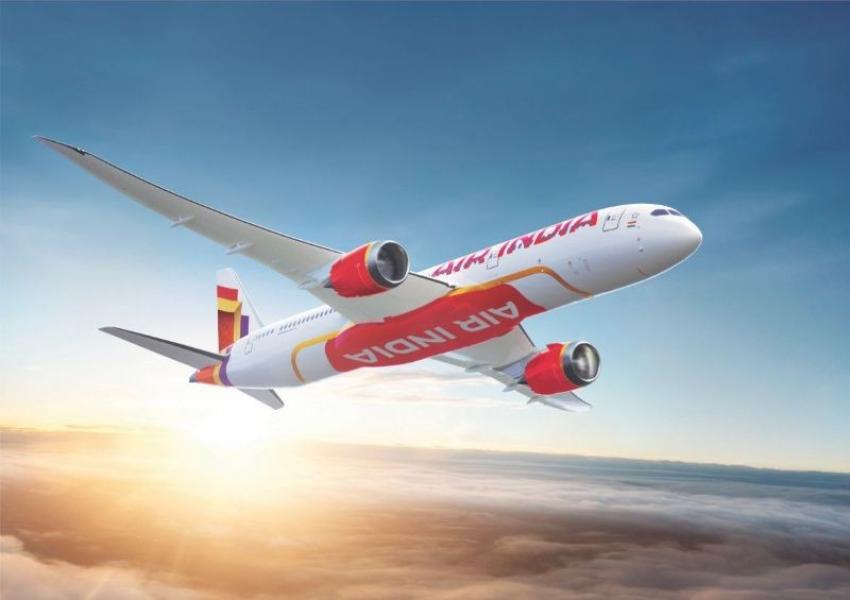
Air India, India’s leading global airline, and Maldivian, the national airline of the Maldives, have entered a bilateral interline partnership aimed at boosting connectivity between the two countries.
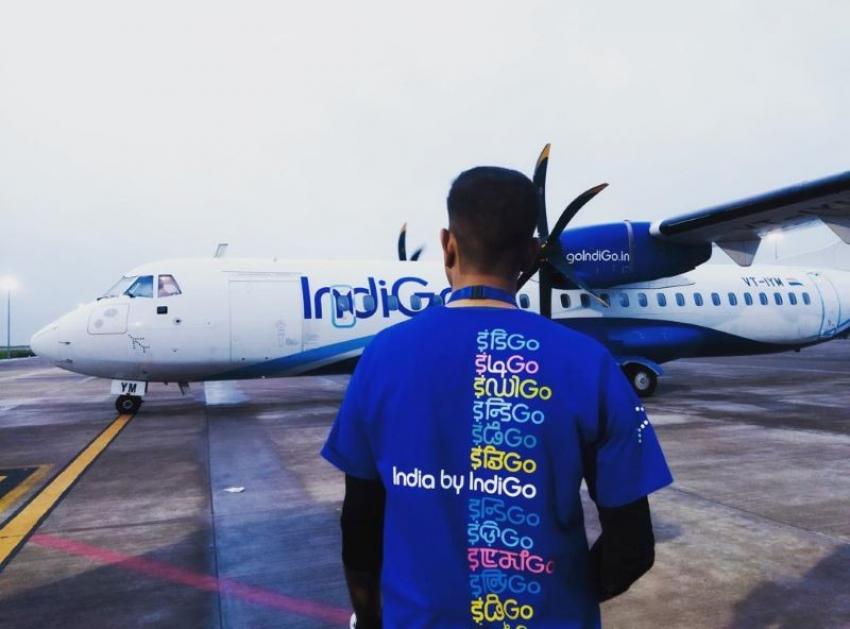
IndiGo, India’s largest airline, is grappling with one of its most severe operational crises in recent years, with widespread flight delays and cancellations disrupting travel across the country for a second consecutive day.
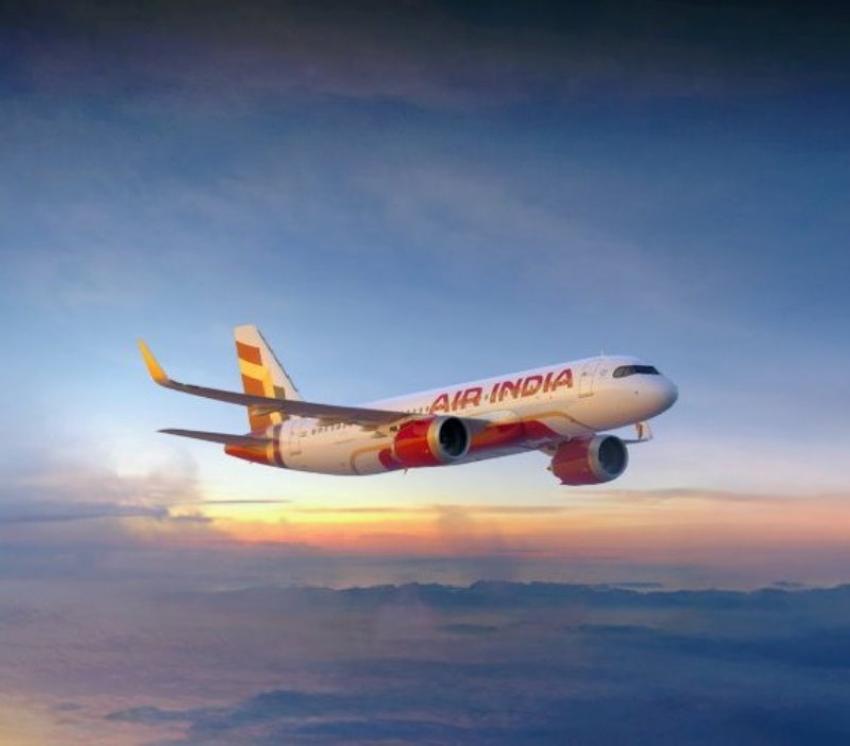
Tata Group-owned Air India on Sunday announced the reinstatement of its codeshare agreement with fellow Star Alliance carrier, Air Canada, to offer more flight options for travellers and boost connectivity between India and Canada.