
NITN | @notintownlive | 29 Jun 2023, 09:14 am
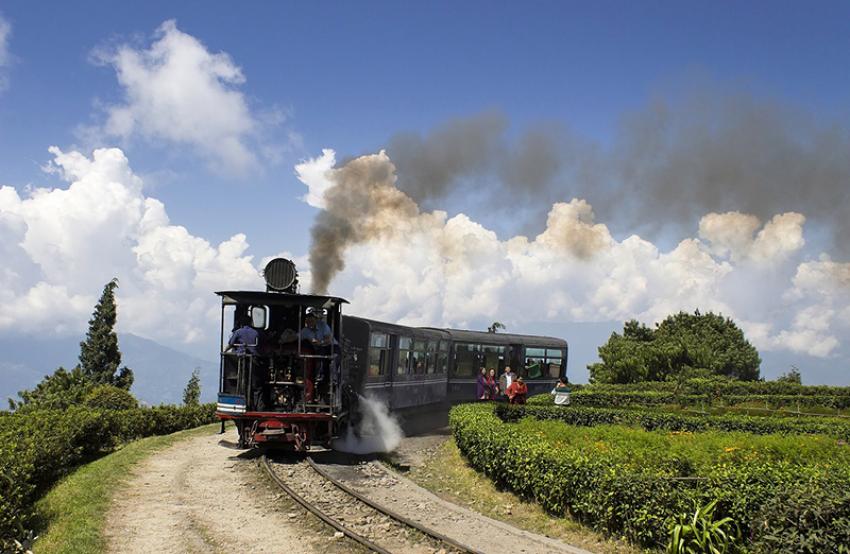 Toy Train
Image: Vikramjit Kakati/Pixabay
Taking a Joy Ride in the iconic Darjeeling Heritage Railway, fondly called the Toy Train, gives Ranjita Biswas a glimpse of travelling experiences in colonial times
The tune of the famous song mere sapnon ki rani kab aayegi tu from Aradhana peeped in and out of my mind as the steam engine’s whistle pierced the air. Yes, I was taking a trip by the same Toy Train on this breezy summer day and couldn’t help remembering Rajesh Khanna and Sharmila Tagore in the superhit romantic film of the 60s.
It was Joy Ride for me as a tourist, going from Darjeeling to the Ghum station on a round trip.
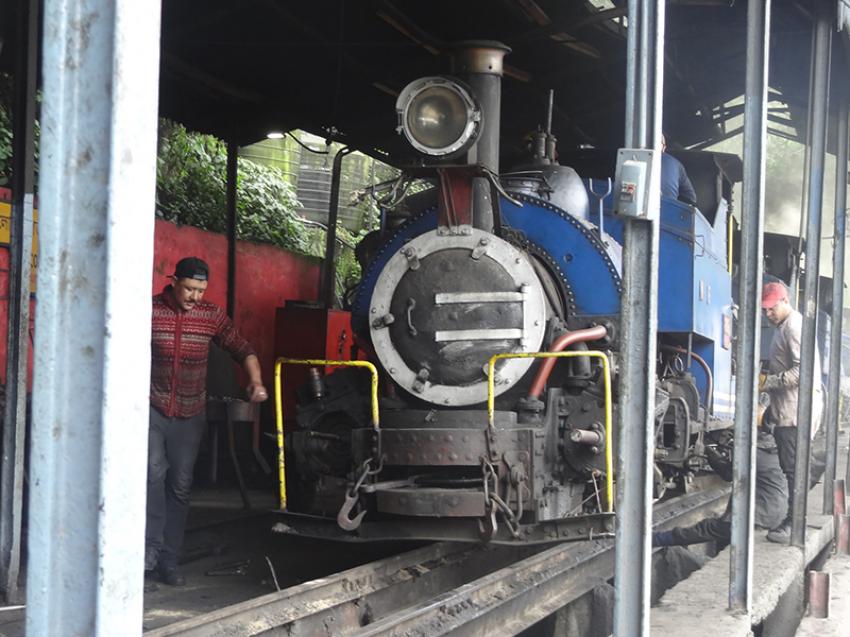
The Toy Train or Darjeeling Heritage Railway (DHR) as it is called today, is something of legend. It was built between 1879 and 1881. It runs on 610 mm narrow gauge between New Jalpaiguri and Darjeeling on an 88 km long track. In 1999, it was declared a World Heritage Site.
As the quaint train ran parallel to the road and tourists in cars aiming for Darjeeling clicked photos and waved at us, I tried to think of the times way past in British colonial days when the sahibs had to make the arduous journey from capital Calcutta (now Kolkata), via Siliguri, before the train came up. Darjeeling- the Queen of the hills, attracted the whites as magnet in the sweltering summer. Tea plantations were also coming up in the area and transporting the tea chests was also becoming a problem.
As one description goes, between Siliguri and Darjeeling, there was a Tonga service which ran on a cart road – today’s main Hill Cart Road. It took almost two weeks to reach here from Calcutta (now Kolkata). First, one had to travel by a steam engine train to Sahibgunj in the valley. From here, passengers had to cross the Ganges by steamer, take a bullock cart to another point for another river crossing followed by another bullock cart journey of 100 miles upto Siliguri. From here, they had to take a bullock cart or horse-drawn Tonga which itself took two days. Whew!
An agent of the Eastern Bengal Railway, an Englishman Franklin Prestage travelled to Darjeeling this way and on return proposed to the government about laying a steam tramway from Siliguri to Darjeeling. The proposal was accepted in 1879 and construction began that year. By March 1880, the track was laid as far as Tindharia station and from Siliguri to Darjeeling in July 1881. The company’s name was changed to Darjeeling Himalayan Railway.
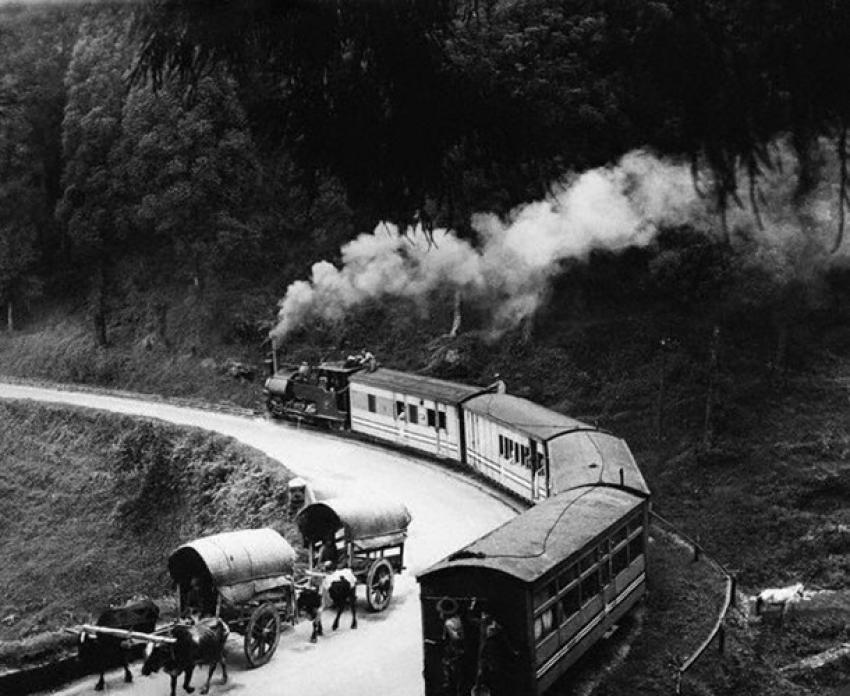
The construction itself was very challenging. It used a unique ‘Zig Zag’ system of switches to tackle the steep terrain; at some points it even reversed directions. There is an anecdotal story of how an engineer solved the problem tackling the ascending terrain. He was dancing with his wife in the ballroom and shared his frustration with her. The wife apparently said, ‘If you can’t go forward, why don’t you go backward’ drawing a simile to the dance steps- a reversal is allowed in the dance if one was stuck in a corner. The engineer had a brainwave. So at some points the train reverses to get the momentum to go forward.
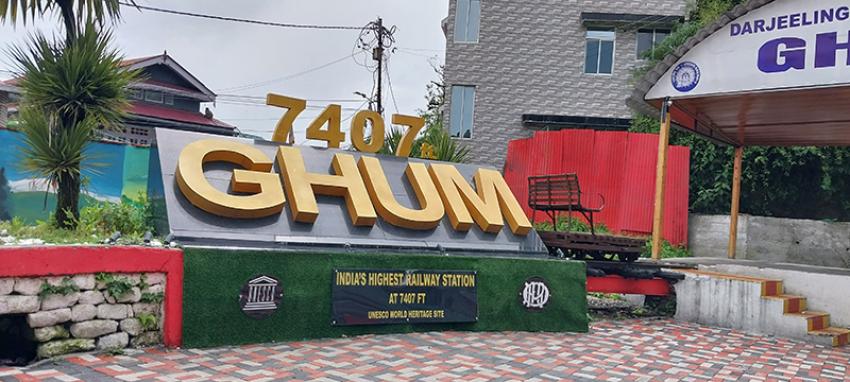
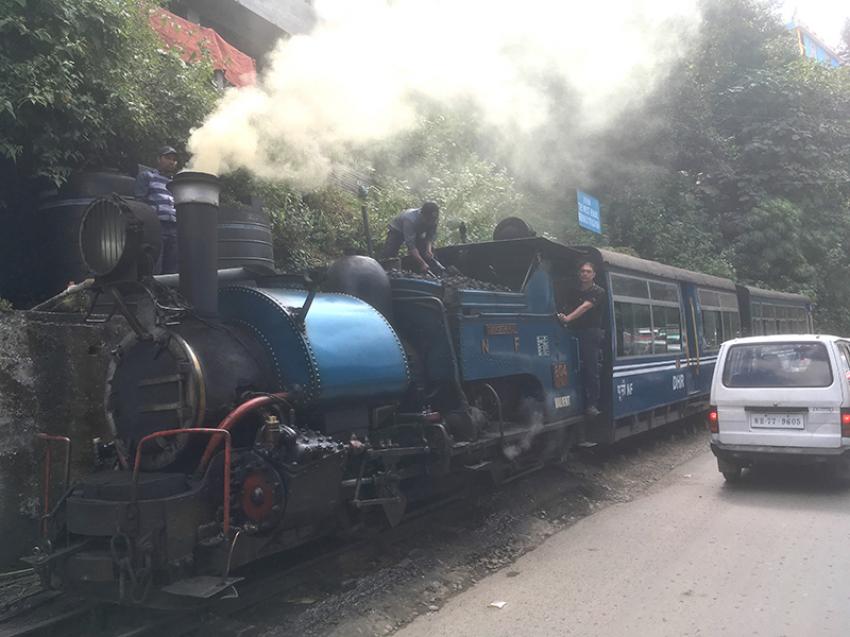
The steam engine is apparently quite a water guzzler. When our little train stopped at some point and we wondered if it had broken down, actually it was for ‘feeding’ water to the engine. Soon we were at the famous Batasia Loop. The route has a number of loops, an engineering marvel, and the Batasia Loop is the most spectacular. On a clear day, you can see the magnificence of the Himalayan Range from here. Alas, that day was foggy with a smattering of rain. The stopover also has a tall war memorial in memory of the Gorkha soldiers in conflicts in independent India. A short break of 15 minutes for a photo op, and perhaps to ‘cool’ the engine, we were on the way to Ghum, India’s highest railway station at 2, 258 metres.
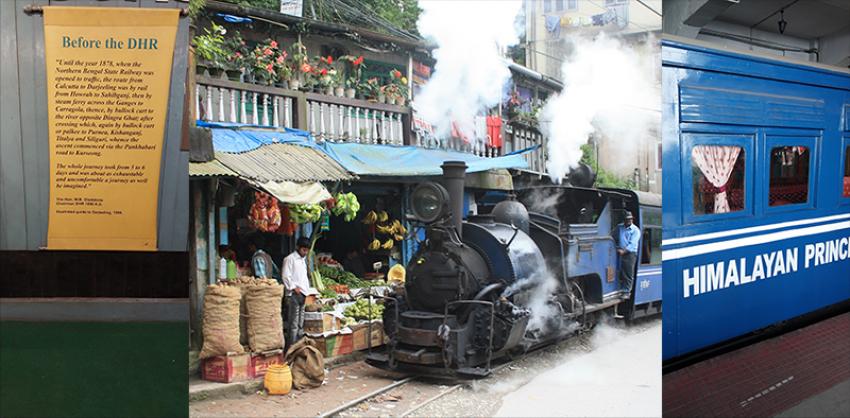
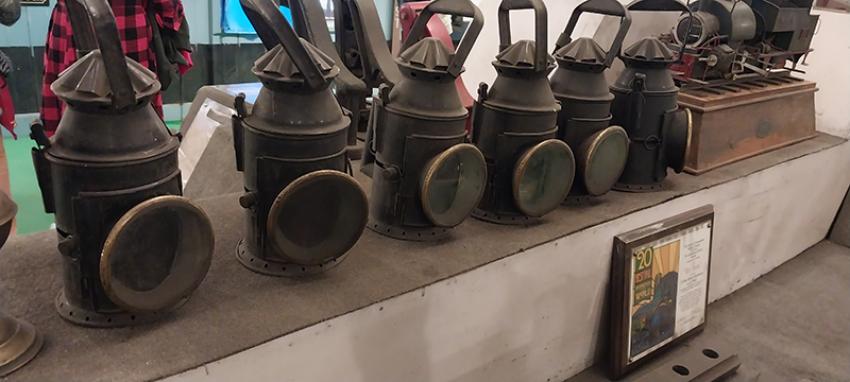
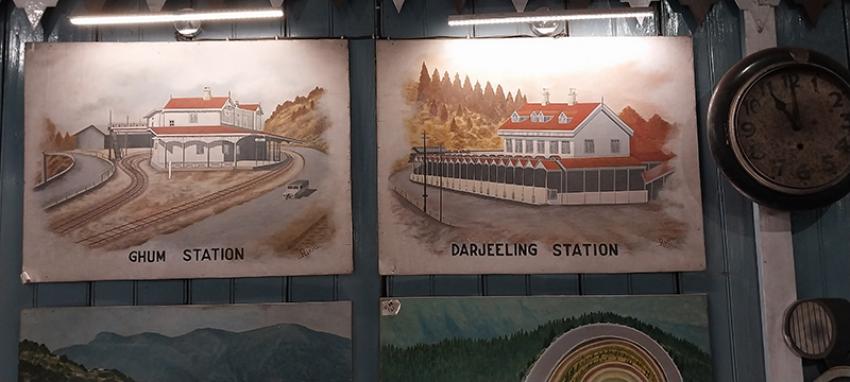
On the right side of the station you can see Baby Sivok , the oldest toy train engine which started operating in 1881. A stairwell in front to go up over the station there is a small and neatly kept museum which traces the DHR’s journey from colonial times. Many of the objects here have been donated by British families whose predecessors worked with the railways. It was fascinating to see old lamps which railwaymen used displayed in a row, paintings depicting the Darjeeling station and Ghum station those days, logos of companies which helped build the railway, etc. Suddenly, you go back to an age when cars and diesel engines were futuristic words in the hills.
In the UK, an organisation called Darjeeling Himalayan Railway Society was founded in 1998 with membership from across twenty countries with the aim of promoting people’s interest in DHR. The railway has also been depicted in an Indian postage stamp.
I wish I could spend more time in the museum but the clock ticked away and it was time to return to Darjeeling. The Joy Ride was going to be over, I regretted. On the return journey I was thinking this time of another iconic film Barfi which did an extensive shooting on the train.
(Photos by author / Unsplash / Pixabay / Wikipedia)
- From Kennedy’s Proposal to 1850s Saloons: The Three Historic D.C. Restaurants Everyone Must Try
- This city has the best bagel in the US, and it’s not New York!
- I escaped to Pachmarhi — what I found in the queen of Satpura left me spellbound
- Air Canada just ranked the Best New Restaurants of 2025 - And the Top Spot isn't who you think
- Rediscovering Arunachal's Monpa Cuisine: One Woman’s Millet Momo Revolution
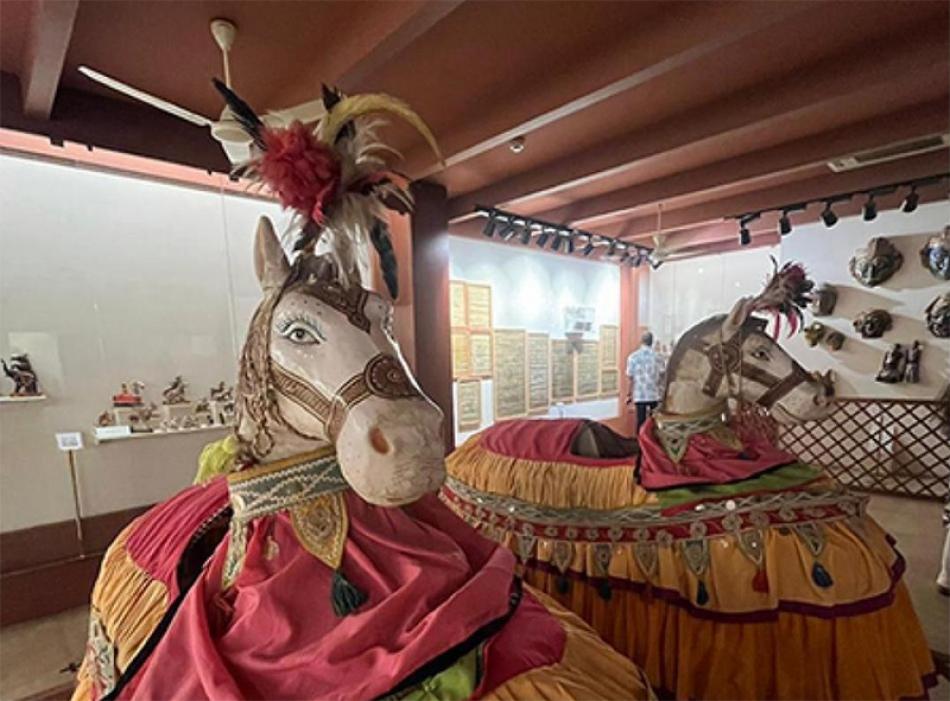
- Discovering Heritage: A visual journey through Odisha crafts museum Kalabhoomi
- From kebabs to biriyani: Lucknow gets UNESCO honour for its royal cuisine
- Delta takes Spanish flavours to the skies
- Kolkata’s iconic Kathi Roll among world’s top 10 wraps: TasteAtlas
- Yellow Taxis and the Colours of Puja
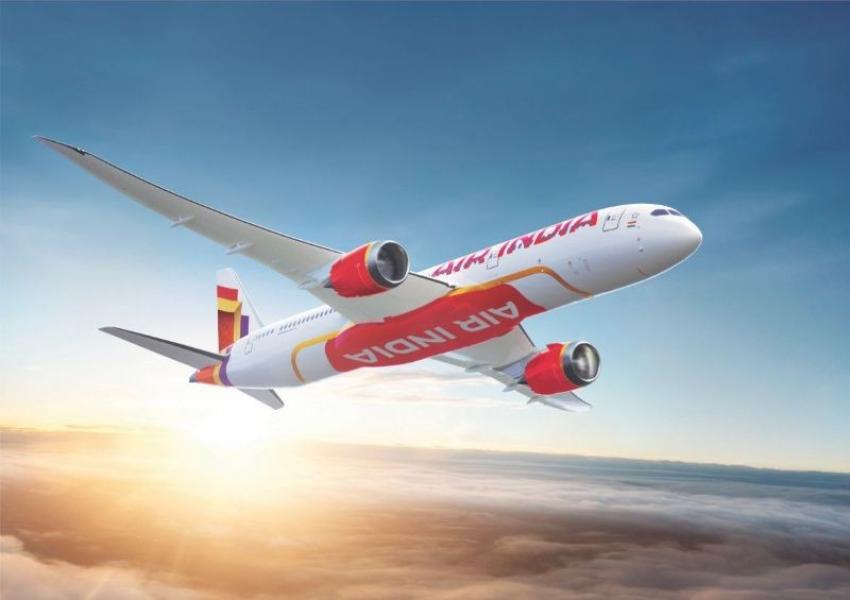
Air India, India’s leading global airline, and Maldivian, the national airline of the Maldives, have entered a bilateral interline partnership aimed at boosting connectivity between the two countries.
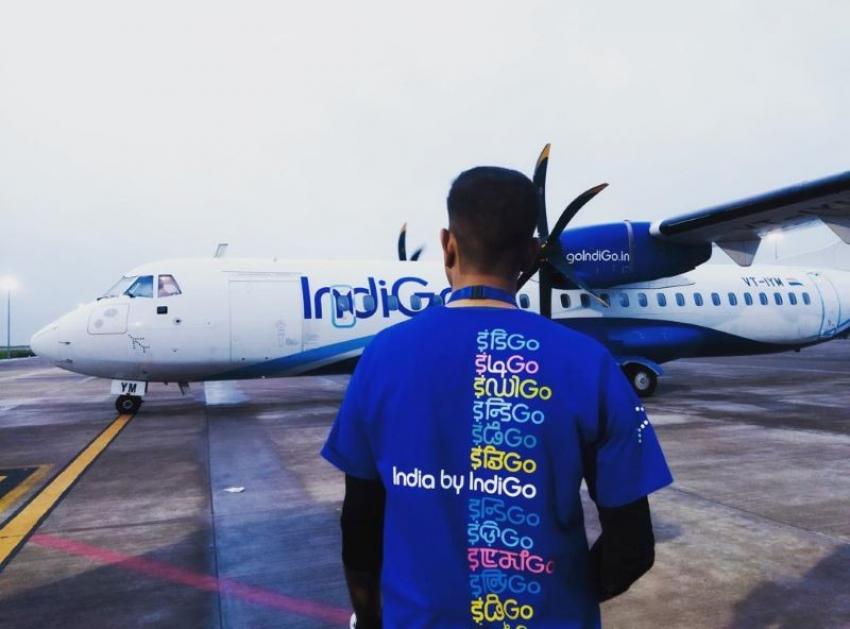
IndiGo, India’s largest airline, is grappling with one of its most severe operational crises in recent years, with widespread flight delays and cancellations disrupting travel across the country for a second consecutive day.
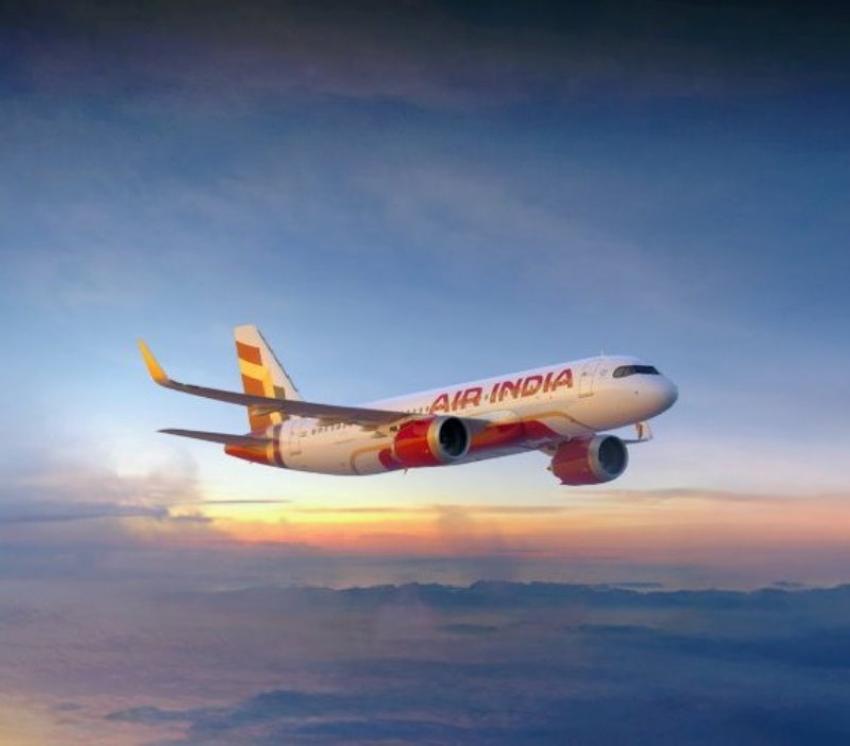
Tata Group-owned Air India on Sunday announced the reinstatement of its codeshare agreement with fellow Star Alliance carrier, Air Canada, to offer more flight options for travellers and boost connectivity between India and Canada.