
14 Nov 2015, 10:13 am

Richard Burn – currently studying a PhD in Music Technology at Birmingham City University’s Integra Lab – hopes his research will give deaf people a greater opportunity to express themselves and help enable them to create new works for both deaf and hearing audiences to enjoy.
Deaf musicians tend to favour acoustic instruments – quite often percussion –which produce a distinct physical feedback from vibration generated by the instrument, alongside more subtle visual clues. However, using electronic instruments, they often find it more difficult to resolve some of the characteristics of sound, such as pitch and harmonics.
Richard proposes the creation of a new musical interface that will combine haptic and visual forms of feedback to create a more inclusive experience for deaf people.
Alongside vibrations, visual indictors will appear on a digital display that collectively form a ‘sonic fingerprint’ when an instrument is played, highlighting different components that make up the sound.
Richard Burn, PhD candidate, Birmingham City University said: “Traditional waveform representations are unable to truly describe what music actually sounds like. There are much more subtle characteristics of sound that may be better represented visually, for example, by using simple shapes and symbols to describe harmonic content."
“My proposed system will hopefully give deaf players of electronic instruments the same sort of experience as that enjoyed by deaf players of acoustic instruments," Burn said.
Having spent 35 years in the Royal Air Force, Richard decided to pursue his long-standing interest in music technology. While studying for an MSc, he did some work on visual feedback – using light and colour to enhance musical performance. He decided to study this in more depth for his PhD, but with a particular focus on the needs of deaf musicians
Richard added: “I will be conducting a range of interviews and surveys in order to understand what type of feedback would be useful to deaf musicians. The second stage will be developing systems that deliver those feedback loops and then the third phase will be testing the systems that I’ve developed to see whether they fit the project’s initial aims.”
- From Kennedy’s Proposal to 1850s Saloons: The Three Historic D.C. Restaurants Everyone Must Try
- This city has the best bagel in the US, and it’s not New York!
- I escaped to Pachmarhi — what I found in the queen of Satpura left me spellbound
- Air Canada just ranked the Best New Restaurants of 2025 - And the Top Spot isn't who you think
- Rediscovering Arunachal's Monpa Cuisine: One Woman’s Millet Momo Revolution
- Discovering Heritage: A visual journey through Odisha crafts museum Kalabhoomi
- From kebabs to biriyani: Lucknow gets UNESCO honour for its royal cuisine
- Delta takes Spanish flavours to the skies
- Kolkata’s iconic Kathi Roll among world’s top 10 wraps: TasteAtlas
- Yellow Taxis and the Colours of Puja


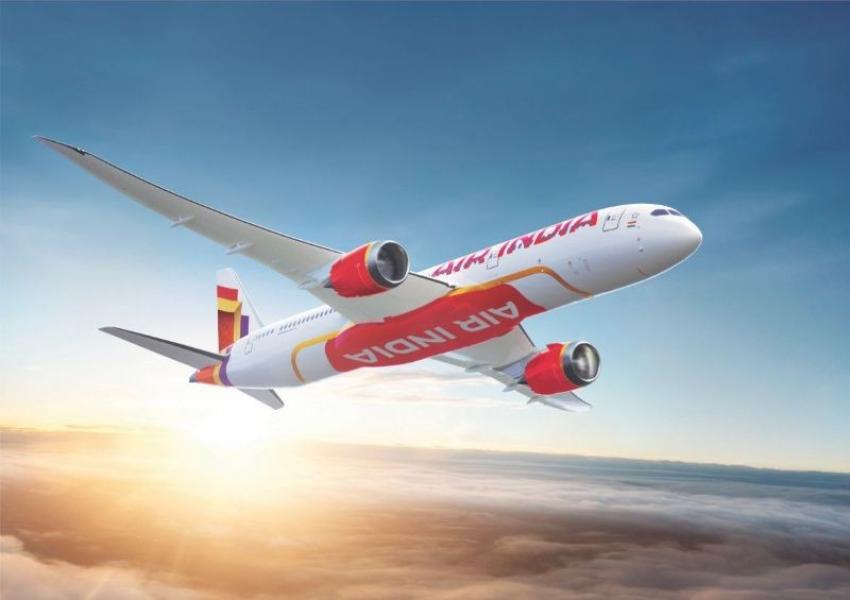
Air India, India’s leading global airline, and Maldivian, the national airline of the Maldives, have entered a bilateral interline partnership aimed at boosting connectivity between the two countries.
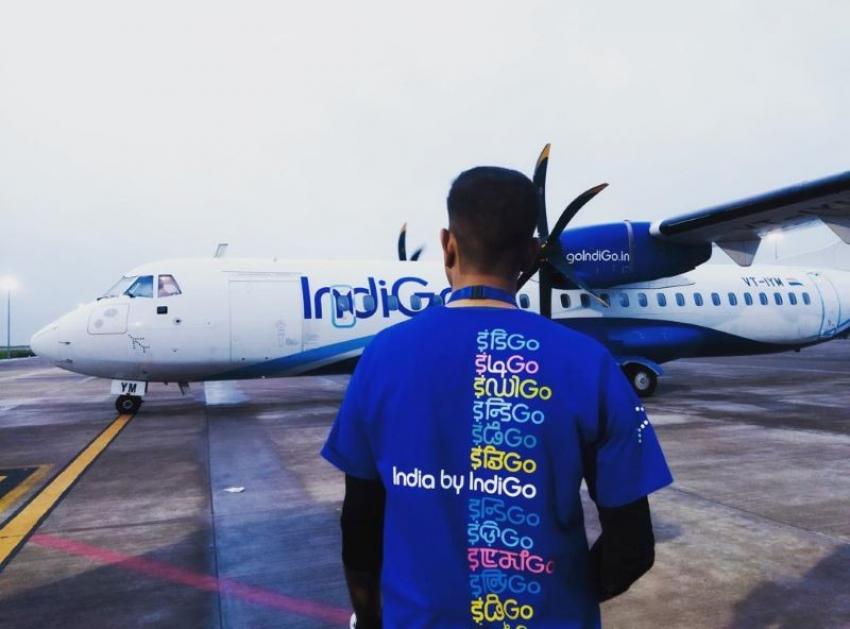
IndiGo, India’s largest airline, is grappling with one of its most severe operational crises in recent years, with widespread flight delays and cancellations disrupting travel across the country for a second consecutive day.

Tata Group-owned Air India on Sunday announced the reinstatement of its codeshare agreement with fellow Star Alliance carrier, Air Canada, to offer more flight options for travellers and boost connectivity between India and Canada.