
06 May 2016, 10:11 am
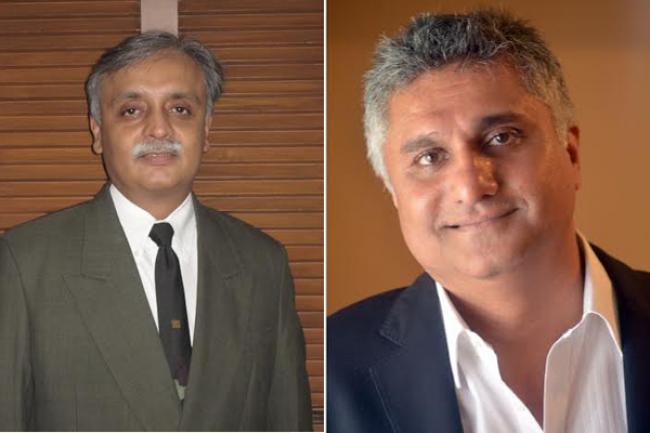
“In a country like India where tourism is at a nascent stage promotion of homestays at the expense of organised hospitality could spell doom. The primary problem with homestays is that there are no standardisations or categorisations. There have been multiple cases of exaggerated promises, misrepresentations, disagreements and conflicts with guests, hygiene issues and intimidations among others. Because homestays are unregulated, there are no redressal systems in place,” says Mr. Bharat Malkani, President, HRAWI & Federation of Hotels and Restaurants Association of India (FHRAI).
HRAWI also questioned the relevance of subjecting hotels to administrative clearances, liquor permits and other licenses while home stays providing the very same services are exempted. Homestays, functioning just like hotels do, are prevalent even today in a lot of states. However, they are unorganized and are presently limited in numbers. With the Government’s new shift in policy focusing on homestays, the dynamics are expected to change.
“The hospitality industry without homestays in Maharashtra today can generate almost Rs. 600 crores per extra night that a foreign tourist stays back to the Government as foreign exchange earnings, besides being the highest employment generator. Almost all tourist towns across the world have grown on the back of strong hospitality infrastructure and not homestays, which are brought in only as a stop gap emergency measure, as Delhi did during the Asian games, due to the three year gestation period to add new hotel rooms. The solution to growth of tourism in India is freeing the hospitality sector from red tapism and following a pragmatic taxation policy,” says Kamlesh Barot, past President, HRAWI.
“If the homestays concept does go into execution then hotels that are presently operating with the highest taxation applicable in addition to paying for utilities such as water and electricity at commercial rates are bound to be doomed. Tourism cannot afford to run or prosper without hotels and the Government will have to consider an alternate plan that can either allow hotels to operate with the same relaxations as would be given to homestays or vice versa,” concludes Malkani.
- Amsterdam plans huge tourist tax hike — Visitors could soon pay up to 20 percent
- Germany waives airport Transit Visa requirement for Indian nationals from June 3
- Anand Mahindra amazed by Vande Bharat's journey across Chenab Rail Bridge
- Passengers urged to document luggage amid Canadian airport drug-tag scheme
- South Africa Goes Visa-Free for Indians, But There’s a Catch
- From War Risks to Medical Bills: Why Indian Travellers Need Better Travel Insurance
- Beyond Books – A College Street Heritage Walk to Trace Kolkata’s Literary and Academic Legacy
- Rare Pahari Art from India’s Himalayas Finds a Home at Smithsonian Museum
- Dubai Unveils Its First Fully Private Beach for Women
- Banksy’s Latest Work Pops Up in London, Sparks Midnight Buzz

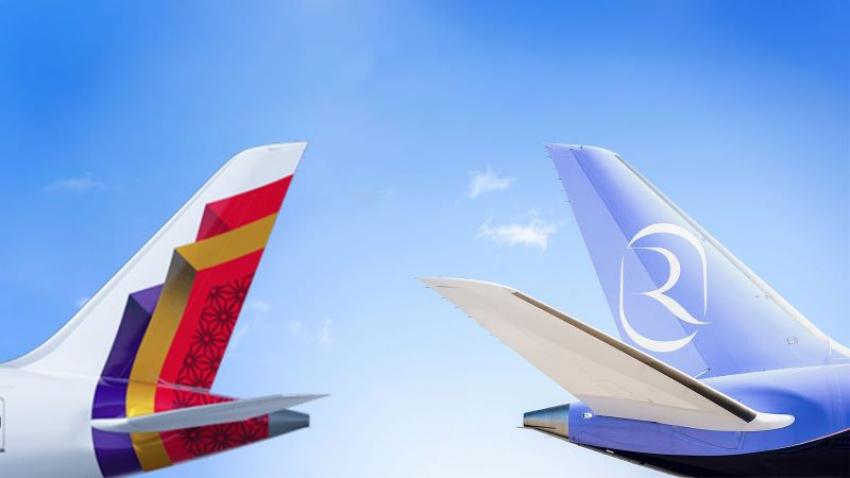
Air India and Riyadh Air have signed a Memorandum of Understanding (MoU) as they look to strengthen links between their networks and offer travellers more convenient connections between India, Saudi Arabia and destinations beyond.
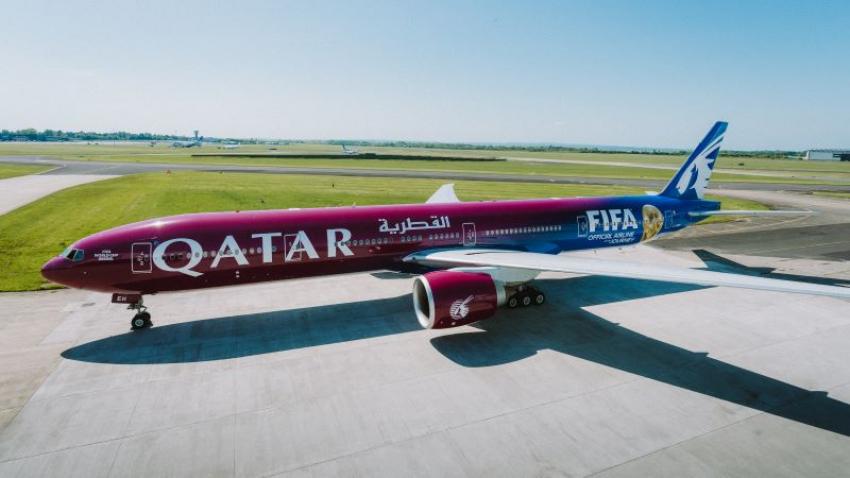
Qatar Airways has launched a Boeing 777 aircraft featuring a special FIFA World Cup 2026 livery, reflecting its ongoing association with FIFA. The aircraft has been unveiled ahead of the tournament and highlights the airline's role in connecting fans, teams, and football communities around the world.
Air India Express announces the launch of its ‘Xpress Sale,’ offering 5 million seats with savings of up to 50% on Lite (Zero Check-in Baggage) and Value fares across its domestic and international network.