
NITN | @notintownlive | 18 May 2021, 07:25 am
 Restart Tourism
Image: https://unsplash.com/photos/ggul_KiqaG8
Madrid/IBNS: Intellectual Property (IP), such as trademarks, geographical indications, copyright, design or patents, etc. help a business create a distinctive identity in the market.
These help a business to protect its competitive advantage or add a revenue stream that may not have been possible otherwise.
In the tourism sector too, IP plays a key part in garnering business in many ways, including promotion of national culture or heritage.
Therefore knowing the right way to handle IP is one of the key tools to restart tourism in the new normal phase.
The World Tourism Organization (UNWTO) and the World Intellectual Property Organization (WIPO) have jointly published are report that focuses on the value of intellectual property in boosting tourism and shows how the IP system creates a favorable ecosystem for innovation, entrepreneurship and investment in the sector.
The publication, titled “Boosting Tourism Development through Intellectual Property,” highlights good practices, features case studies and recommendations for policymakers and other tourism stakeholders on how to ensure that creativity, innovation, traditions and cultural heritage in tourism are properly protected and commercialized and that the benefits are shared by all.
According to a joint Foreword by WIPO Director General Daren Tang and UNWTO Secretary General Zurab Pololikashvili, while the tourism sector has taken a hit during the COVID-19 pandemic, it will recover and “contribute to reigniting hard-hit economies and societies thanks to its capacity to adapt to changes and offer innovative solutions to new challenges.”
The Foreword also highlights that “the IP system is designed to promote creativity and innovation and support efforts by individuals, businesses and other actors to differentiate themselves and their products and services in the marketplace, whether through trademarks, geographical indications, copyrights or patents.”
The report provides practical guidance for non-IP specialists on how to include IP in tourism product development – from destination branding to tourism policies.
It shows how different IP rights can be leveraged to raise funds.
It also showcases successful experiences and how stakeholders around the globe are using IP rights to add value to tourism services and products, as well as to protect and promote local knowledge, traditions and cultural heritage.
Through examples of producing cheese, tea, pepper, wine or other products, the publication shows how geographical indications and appellations of origin can be used to support the growth of rural tourism and provide benefits to local communities.
To leverage the full potential of the IP system, the report recommends inclusion of IP strategies in national tourism plans and tourism policy strategy for regional and local destinations.
Not only does good IP knowledge and management help to make use of the protected intangibles, but it also attracts investments and leverages fundraising opportunities, the report said.
The report therefore urged tourism authorities to encourage stakeholders on the importance of appropriate IP knowledge and management to foster the sector’s growth in these challenging times.
- Amsterdam plans huge tourist tax hike — Visitors could soon pay up to 20 percent
- Germany waives airport Transit Visa requirement for Indian nationals from June 3
- Anand Mahindra amazed by Vande Bharat's journey across Chenab Rail Bridge
- Passengers urged to document luggage amid Canadian airport drug-tag scheme
- South Africa Goes Visa-Free for Indians, But There’s a Catch
- From War Risks to Medical Bills: Why Indian Travellers Need Better Travel Insurance
- Beyond Books – A College Street Heritage Walk to Trace Kolkata’s Literary and Academic Legacy
- Rare Pahari Art from India’s Himalayas Finds a Home at Smithsonian Museum
- Dubai Unveils Its First Fully Private Beach for Women
- Banksy’s Latest Work Pops Up in London, Sparks Midnight Buzz


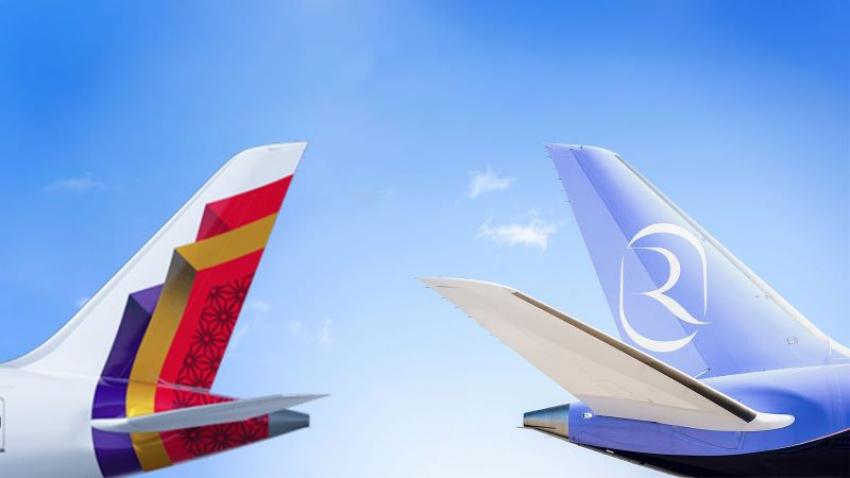
Air India and Riyadh Air have signed a Memorandum of Understanding (MoU) as they look to strengthen links between their networks and offer travellers more convenient connections between India, Saudi Arabia and destinations beyond.
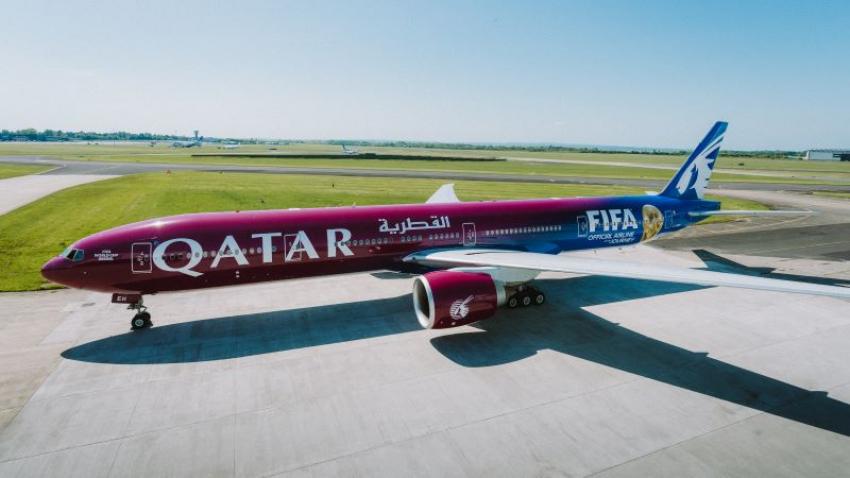
Qatar Airways has launched a Boeing 777 aircraft featuring a special FIFA World Cup 2026 livery, reflecting its ongoing association with FIFA. The aircraft has been unveiled ahead of the tournament and highlights the airline's role in connecting fans, teams, and football communities around the world.
Air India Express announces the launch of its ‘Xpress Sale,’ offering 5 million seats with savings of up to 50% on Lite (Zero Check-in Baggage) and Value fares across its domestic and international network.