
NITN | @notintownlive | 02 Jun 2020, 09:09 am
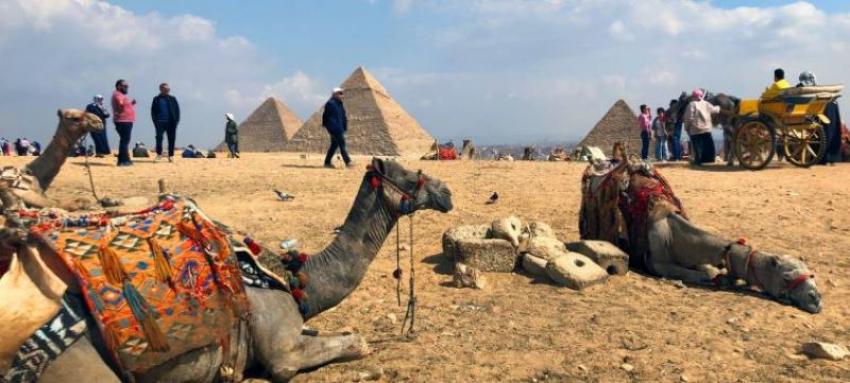
New York/NITN: After months of lockdowns, countries are cautiously starting to ease travel restrictions put in place to stop the spread of COVID-19, according to research published Monday by the World Tourism Organization (UNWTO). Secretary-General Zurab Pololikashvili, stressed "the need for vigilance, responsibility and international cooperation as the world slowly opens up again."
In the fourth edition of its COVID-19 Travel Restrictions: A Global Review for Tourism, the UN specialized agency reviews measures of 217 destinations worldwide, as of 18 May. The report finds that 3 per cent of all destinations have taken steps to ease restrictions. Seven destinations have eased restrictions for international tourism purposes, while several more are engaged in discussions on the reopening of borders.
Nowhere fully open for tourists, yet
The report notes that 100 per cent of all destinations worldwide continue to have some COVID-19 travel restrictions in place; 75 per cent are still completely closed to international tourism. In 37 per cent of all cases, restrictions have been in place for 10 weeks, while 24 per cent have had controls in place for 14 weeks or more.
The more important tourism is to individual economies, the more likely it is that countries have responded with complete border closures. In the case of Small Island Developing States (SIDS), the report finds that 85 per cent continue to remain completely closed to tourists.“The timely and responsible easing of travel restrictions will help ensure the many social and economic benefits that tourism guarantees will return in a sustainable way”, Mr. Pololikashvili said.
In all UNWTO regions, more than 65 per cent of their destinations remain completely closed to tourism: Africa (74 per cent), the Americas (86 per cent), Asia and the Pacific (67 per cent), Europe (74 per cent) and the Middle East (69 per cent).
Global guidelines
The report follows last week’s release of UNWTO’s Global Guidelines to Restart Tourism, aimed at helping the sector emerge more sustainably from COVID-19. Produced in cooperation with the Global Tourism Crisis Committee, the guidance highlights the need to act decisively, to restore confidence and to embrace innovation.
UNWTO warns that international tourist arrivals could fall between 60 and 80 per cent, depending on when restrictions are lifted. This could place 100 to 120 million jobs at risk and potentially lead to $910 billion to $1.2 trillion lost in exports.
“These guidelines provide both Governments and businesses with a comprehensive set of measures designed to help them open tourism up again in a safe, seamless and responsible manner,” Pololikashvili said.
- Machu Picchu mystery: What left 1,400 tourists suddenly stranded in the Andes?
- One Fare stays! Ontario extends popular transit programme till 2027
- West Bengal climbs to No. 2 in India for foreign tourists, overtaking major states
- Air Canada Foundation flies more than 1,000 children to U.S. theme parks
- New Zealand revamps Golden Visa: What the shift means for Digital Nomads
- ‘Paris has Fashion Week – Berlin now has Freedom Week’
- Rising fraud, trafficking, kidnapping cases: Why has Iran suspended visa-free entry for Indian citizens
- IHCL steps into Nagaland with 'Ginger'
- India's North-East goes global: Sikkim to host International Tourism Mart from Nov 13
- Beach, sun… no beer? Thailand introduces strict new drinking hours



Air India, India’s leading global airline, and Maldivian, the national airline of the Maldives, have entered a bilateral interline partnership aimed at boosting connectivity between the two countries.
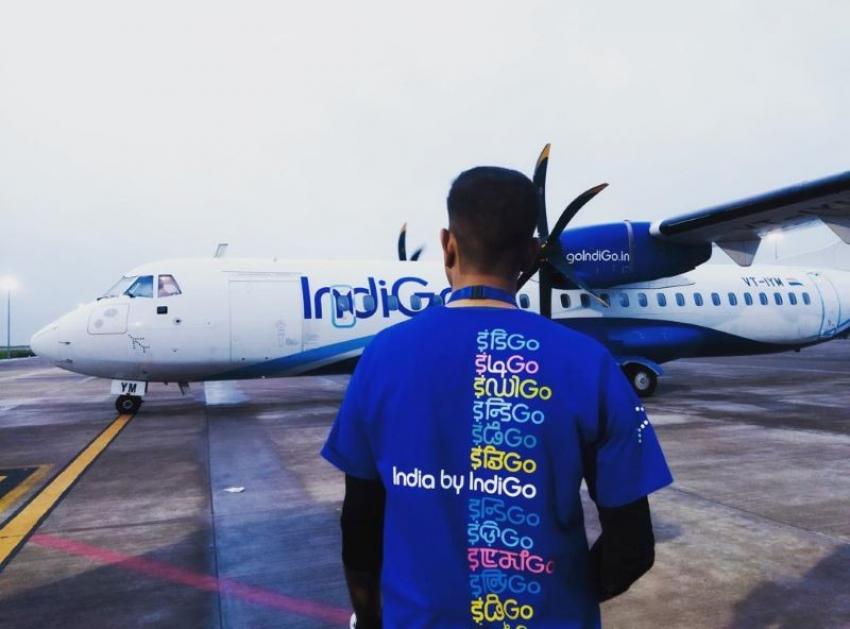
IndiGo, India’s largest airline, is grappling with one of its most severe operational crises in recent years, with widespread flight delays and cancellations disrupting travel across the country for a second consecutive day.
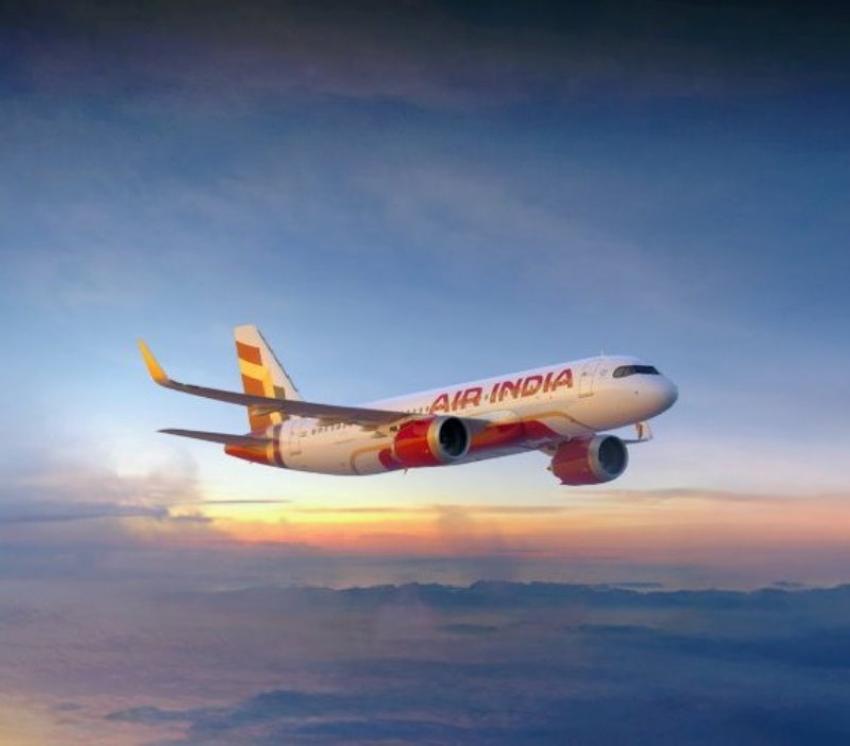
Tata Group-owned Air India on Sunday announced the reinstatement of its codeshare agreement with fellow Star Alliance carrier, Air Canada, to offer more flight options for travellers and boost connectivity between India and Canada.