
NITN | @notintownlive | 08 May 2020, 10:55 am

Madrid/NITN: The Covid-19 pandemic has prompted all destinations worldwide to introduce restrictions on travel, research by the World Tourism Organization (UNWTO) has found.
This represents the most severe restriction on international travel in history and no country has so far lifted restrictions introduced in response to the crisis.
Following up on previous research, the latest data from the United Nations specialized agency for tourism shows that 100% of destinations now have restrictions in place.
Of these, 83% have had Covid-19-related restrictions in place already for four or more weeks and, as of 20 April, so far no destination has lifted them.
UNWTO Secretary-General Zurab Pololikashvili said, "Tourism has shown its commitment to putting people first. Our sector can also lead the way in driving recovery. This research on global travel restrictions will help support the timely and responsible implementation of exit strategies, allowing destinations to ease or lift travel restrictions when it is safe to do so. This way, the social and economic benefits that tourism offers can return, providing a path to sustainable recovery for both individuals and whole countries.”
Tracking Restrictions by Time and Severity
As well as a general overview, the UNWTO research breaks down the type of travel restrictions that have been introduced by destinations in all of the global regions, while also plotting the evolution of these restrictions since 30 January – when the World Health Organization (WHO) declared Covid-19 a Public Health Emergency of International Concern. The latest analysis shows that, of 217 destinations worldwide:
45% have totally or partially closed their borders for tourists - “Passengers are not allowed to enter”
30% have suspended totally or partially international flights - “all flights are suspended”
18% are banning the entry for passengers from specific countries of origin or passengers who have transited through specific destinations
7% are applying different measures, such as quarantine or self-isolation for 14 days and visa measures.
Against this backdrop, UNWTO has been leading calls for governments worldwide to commit to supporting tourism through this unprecedented challenge.
According to Secretary-General Pololikashvili, the sudden and unexpected fall in tourism demand caused by Covid-19 places millions of jobs and livelihoods at risk while at the same time jeopardising the advances made in sustainable development and equality over recent years.
- Amsterdam plans huge tourist tax hike — Visitors could soon pay up to 20 percent
- Germany waives airport Transit Visa requirement for Indian nationals from June 3
- Anand Mahindra amazed by Vande Bharat's journey across Chenab Rail Bridge
- Passengers urged to document luggage amid Canadian airport drug-tag scheme
- South Africa Goes Visa-Free for Indians, But There’s a Catch
- From War Risks to Medical Bills: Why Indian Travellers Need Better Travel Insurance
- Beyond Books – A College Street Heritage Walk to Trace Kolkata’s Literary and Academic Legacy
- Rare Pahari Art from India’s Himalayas Finds a Home at Smithsonian Museum
- Dubai Unveils Its First Fully Private Beach for Women
- Banksy’s Latest Work Pops Up in London, Sparks Midnight Buzz


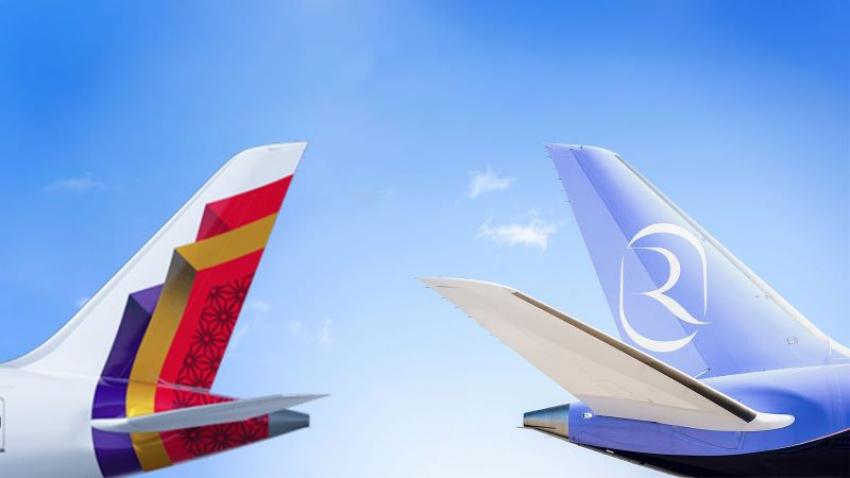
Air India and Riyadh Air have signed a Memorandum of Understanding (MoU) as they look to strengthen links between their networks and offer travellers more convenient connections between India, Saudi Arabia and destinations beyond.
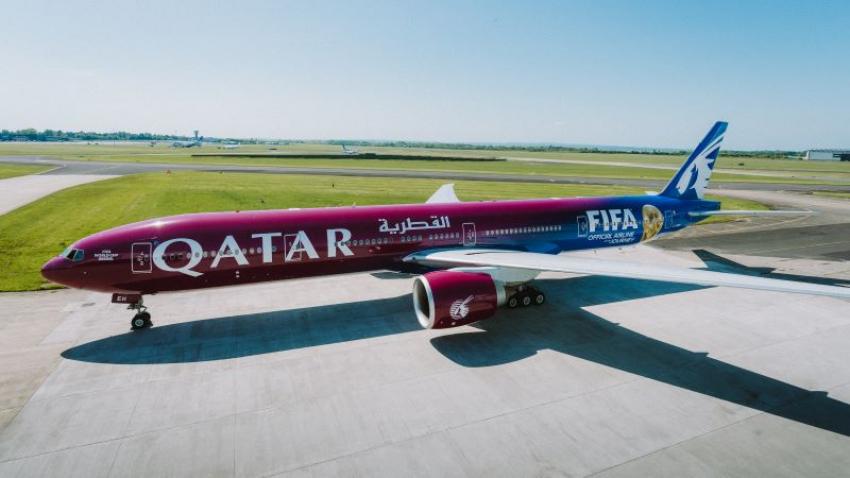
Qatar Airways has launched a Boeing 777 aircraft featuring a special FIFA World Cup 2026 livery, reflecting its ongoing association with FIFA. The aircraft has been unveiled ahead of the tournament and highlights the airline's role in connecting fans, teams, and football communities around the world.

Air India Express announces the launch of its ‘Xpress Sale,’ offering 5 million seats with savings of up to 50% on Lite (Zero Check-in Baggage) and Value fares across its domestic and international network.